 Sarasota Roofing
 Board & Batten Siding in Fruitville's Climate
Fruitville sits inland from the bay but still takes the full brunt of what Sarasota County weather delivers every year: long stretches of intense UV, afternoon downpours that drive rain sideways under a stiff breeze, thick summer humidity that never really lets up, and the occasional direct hit from a tropical system or hurricane-force wind event. Board and batten siding — vertical panels with raised battens covering the seams — has become a popular look on Fruitville homes because it reads as clean and modern while still fitting in with the area's mix of ranch, Florida vernacular, and newer construction styles. But the look only holds up if the material and the installation are built for this climate, not just the aesthetic.
We install board and batten exclusively in James Hardie fiber cement. This page walks through what that means specifically for a Fruitville property — what the climate demands from the material, what a correct installation looks like, and why local install experience matters as much as the product itself.
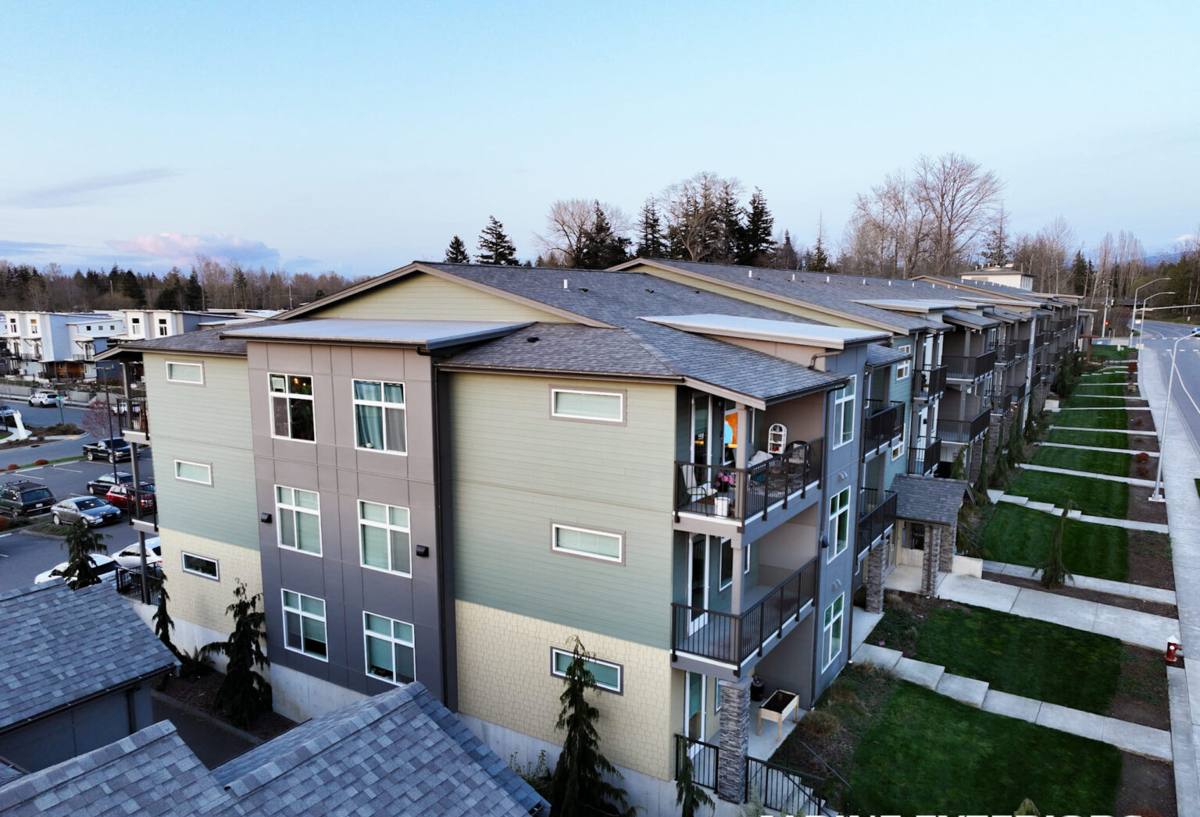
What Fruitville Homes Actually Need From This Siding
Board and batten has more vertical seams and more trim than a standard lap profile, which means more edges where water, heat, and wind can find a weakness if the wrong material or a rushed install is used. In Sarasota's climate, four things matter most:
- Moisture stability — humidity swings and wind-driven rain will find any gap, seam, or fastener point that wasn't sealed and flashed correctly.
- UV resistance — Florida sun is harder on exterior finishes than most of the country; a factory finish that fades, chalks, or peels within a few years is a maintenance headache waiting to happen.
- Wind performance — battens and panel edges are the first thing wind gets a grip on during a tropical storm or hurricane; fastening schedule and panel engineering both matter here.
- Salt air tolerance — Fruitville isn't beachfront, but Sarasota County air still carries salt inland, and it's harder on untreated wood and some composite products than most homeowners expect.
These aren't abstract concerns — they're the specific reasons certain siding products perform well in a mild, dry climate and struggle in a Gulf Coast one.
Why We Install James Hardie for This Look — and Not the Alternatives
Board and batten can be built out of vinyl, engineered wood (like LP SmartSide), primed spruce, cedar, or fiber cement. We only install James Hardie fiber cement, and it's worth being direct about why.
Vinyl board and batten is inexpensive and easy to install, but it's a thin plastic profile that expands and contracts noticeably in heat, can warp or sag over time in direct sun, and isn't rated to stand up to the higher wind speeds Sarasota County design requirements call for in the same way a properly fastened fiber cement panel is.
Engineered wood products like LP SmartSide use a wood-strand core with a resin coating. They perform reasonably in drier regions, but wood-based cores are inherently more vulnerable to sustained humidity and wind-driven moisture intrusion than fiber cement — and once moisture gets past a seam or a compromised edge, the core can swell or degrade in a way that's expensive to catch early.
Primed spruce and cedar board and batten look excellent on day one, but real wood in a Gulf Coast climate demands a maintenance schedule most homeowners underestimate — recaulking, repainting, and watching for rot at the battens and bottom edges every couple of years, indefinitely.
James Hardie's fiber cement is cement, sand, and cellulose fiber — it doesn't have an organic core to rot, it doesn't expand and contract like vinyl, and it's non-combustible. The ColorPlus factory finish is baked on and warranted against fade and peel far longer than a field-applied paint job holds up under Florida sun. That combination is why it's the only board and batten material we put on a home.
Quick Comparison
| Material | Moisture Behavior | UV/Fade Resistance | Wind/Impact Durability | Ongoing Maintenance |
|---|---|---|---|---|
| Vinyl | Doesn't absorb, but seams can trap water | Fades and chalks over time | Can crack or blow off in high wind | Low, but short lifespan |
| LP SmartSide (engineered wood) | Vulnerable if seams/edges fail | Moderate with factory coating | Good when installed correctly | Moderate — inspect seams |
| Primed spruce/cedar | Prone to swelling and rot over time | Fades without repainting | Depends on fastening and finish upkeep | High — repaint/recaulk cycle |
| James Hardie fiber cement | Non-organic, doesn't rot | Factory ColorPlus finish, long fade warranty | Engineered for high-wind regions | Low |
What a Correct Board & Batten Installation Involves
The material is only half the equation. Board and batten fails early far more often because of installation shortcuts than because of the panel itself. A correct install on a Fruitville home includes:
Proper Substrate and Water Management
A weather-resistant barrier goes on before any siding, with all seams taped and all penetrations (outlets, hose bibs, vents) properly flashed. Vertical siding like board and batten needs deliberate attention at the top and bottom of every run so water sheds outward instead of tracking behind the panel.
Correct Fastening Pattern
James Hardie publishes specific fastening requirements by product and by wind zone. In a county where design wind speeds run high, using the manufacturer's fastening schedule — not a generic pattern — is what keeps panels and battens attached through a real storm rather than just a calm afternoon.
Expansion Gaps and Caulking
Even fiber cement needs small gaps at trim and butt joints, filled with a quality, flexible sealant rated for exterior use — not just caulked over and painted. Skipping this is one of the most common corner-cutting mistakes we see on prior installs.
Batten Spacing and Attachment
Battens need to be fastened into the panel and framing correctly, with consistent spacing that both looks right and doesn't leave unsupported panel spans that can flex or work loose over time.
Our Process for a Fruitville Board & Batten Project
- On-site assessment — we look at the existing siding, sheathing condition, and any signs of past moisture intrusion before quoting anything.
- Removal and substrate check — old siding comes off and we inspect the sheathing underneath; anything soft or compromised gets addressed before new siding goes up, not covered over.
- Weather barrier and flashing — house wrap, taped seams, and flashing at every window, door, and penetration.
- Panel and batten installation — James Hardie panels installed to manufacturer fastening specs for our wind zone, battens set and fastened correctly.
- Trim, caulking, and finish check — all joints sealed, all trim finished, and a final walkthrough before we call it done.
Cost Factors for Board & Batten in Fruitville
Every home is different, but the main variables that move the price on a board and batten project are consistent:
| Factor | Why It Matters |
|---|---|
| Home size and wall square footage | More surface area means more material and labor |
| Existing siding removal | Tear-off and disposal add time compared to new construction |
| Substrate repair needed | Any rotted or water-damaged sheathing found underneath adds cost, but skipping repair isn't an option |
| Trim and architectural detail | Corners, gables, and window/door trim all add labor |
| ColorPlus finish selection | Factory-finished color options vary slightly in cost from standard primed panels |
We give exact numbers only after seeing the home — anyone quoting a firm price sight unseen on a board and batten job is guessing.
Maintenance in Sarasota's Climate
One of the practical advantages of James Hardie board and batten in a Gulf Coast climate is how little upkeep it needs compared to wood alternatives. That said, no siding is entirely maintenance-free here:
- Rinse off salt residue and dust periodically, especially on sides of the home exposed to prevailing wind.
- Check caulking at trim and batten joints every couple of years and touch up if it's cracked or pulling away.
- Keep irrigation heads and sprinklers from spraying directly on the siding — repeated wetting shortens the life of any exterior finish.
- After a significant storm, walk the exterior and check for loose battens, cracked panels, or displaced trim.
Why It Matters That We Already Work in Fruitville
A crew that regularly works this part of Sarasota County already knows the practical realities that affect a board and batten install here — the humidity levels that affect cure times and sealant choice, the wind design requirements that apply to Sarasota County permitting, and the way local sun exposure affects finish selection on south- and west-facing walls. That's knowledge you don't get from a crew that installs mostly inland in a different climate and treats every coastal-adjacent job as a one-off.
It also means we're not guessing on the administrative side — pulling the right permits, meeting the wind load documentation Sarasota County expects, and installing to the fastening spec that actually applies to this area rather than a generic national default.
Questions to Ask Before You Hire
- What siding material and product line are you actually installing, and why?
- What is the fastening schedule you'll use, and is it rated for our local wind zone?
- Who handles permitting, and what documentation is submitted to the county?
- What happens if you find water damage or rot once the old siding comes off?
- What warranty covers the material, and what warranty covers your labor separately?
If your Fruitville home needs new siding or you're weighing board and batten against other styles, we're happy to walk the property with you and give a straight answer on what it needs. Reach out for a free, no-pressure estimate using the form below.