 Sarasota Roofing
 Board & Batten Siding in Bee Ridge: A Style That Has to Earn Its Keep
Board and batten siding has become one of the most requested looks in Bee Ridge — the vertical lines read as modern farmhouse on a new build and as a clean, tailored upgrade on an older ranch or block home. But in this part of Sarasota County, board and batten is not just a style choice. Every vertical panel and every batten strip is going to spend its life fighting UV exposure, wind-driven rain, and salt-laden air moving in off the Gulf. A siding system that looks right on day one but isn't built for that combination will show it within a few years: fading, swelling seams, and battens that start to separate from the wall.
We install board and batten siding on Bee Ridge homes regularly, and we do it in one material only — James Hardie fiber cement. This page walks through what board and batten actually is, what correct installation requires in this climate, and why we won't put anything but Hardie behind that vertical-line look.
What Board and Batten Siding Actually Is
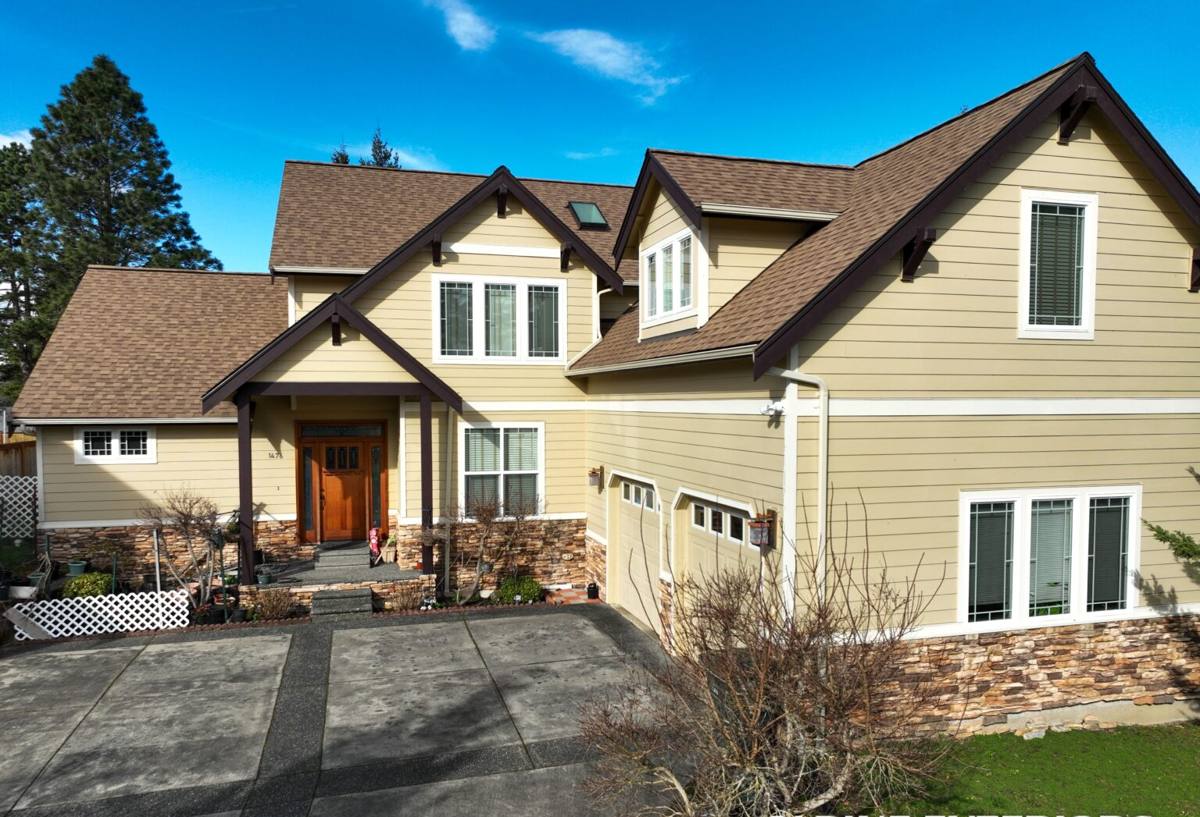
Board and batten is a two-layer siding pattern: wide flat panels installed vertically, with narrower strips (the "battens") fastened over the seams between them. The result is a rhythmic, shadow-lined facade that reads very differently from horizontal lap siding — often used to accent a gable, a porch, an entire elevation, or a whole house for a farmhouse or coastal-modern look.
What most homeowners don't realize until they're comparing quotes is that "board and batten" describes a pattern, not a material. You can build that pattern out of real wood, engineered wood (LP SmartSide), vinyl, or fiber cement. The pattern looks similar in a brochure photo. How each material actually performs on a Bee Ridge exterior is where the real differences show up.
Why the Pattern Itself Is a Moisture Risk If the Material Is Wrong
Vertical siding sheds water differently than horizontal lap siding. Water runs down the face of the panel and can collect at the base of each batten and at horizontal trim transitions. Any material that swells, wicks moisture, or softens when saturated is working against the pattern instead of with it. That's true everywhere, but it's a bigger deal in Sarasota's humidity and rainfall pattern than it would be in a dry climate — panels here rarely get a long stretch to fully dry out between storms during the wet season.
Why We Install Board and Batten Only in James Hardie Fiber Cement
We get asked regularly why we won't quote board and batten in vinyl, LP SmartSide, or real wood for a Bee Ridge home. Each of those products has a legitimate place in the market — we're not going to pretend otherwise. But we've made a professional standard for our own installs, and it comes down to how each material behaves over years of Gulf Coast sun, humidity, and storms.
Real Wood
Traditional wood board and batten has the most authentic look and a long history — but it's also the highest-maintenance option by a wide margin. Wood absorbs and releases moisture with every rain and every dry spell, and in Sarasota that cycle happens constantly. That movement eventually shows up as cupping, checking, or separated battens, and it requires a repaint and caulk cycle far more often than most homeowners want to commit to.
LP SmartSide and Other Engineered Wood
Engineered wood siding is wood-based — treated and engineered to resist moisture better than raw lumber, but still wood at its core. Cut edges, fastener penetrations, and butt joints are places where that engineering can be compromised if installation isn't precise, and in a humid coastal climate, any point where moisture gets into the substrate is a long-term liability. We'd rather not build a home's exterior around a material that depends on perfect field conditions to perform as advertised.
Vinyl
Vinyl board and batten is affordable and low-maintenance in the sense that it doesn't need paint. But it's a thin plastic product that softens and can distort in intense heat, becomes brittle over time under constant UV, and simply cannot take a wind-driven impact the way a rigid material can. In a county that sees hurricane-force wind events, that's a real consideration, not a theoretical one. Vinyl also can't replicate the crisp, deep shadow lines of true board and batten as convincingly as a thicker fiber cement panel and batten system.
James Hardie Fiber Cement
James Hardie's vertical panel and batten systems are engineered specifically for high-heat, high-humidity climates through their HZ5 product line, which is formulated for exactly the exposure Sarasota County gets. Fiber cement is non-combustible, doesn't swell or rot, holds paint and factory ColorPlus finishes far longer than wood, and stands up to wind-driven rain and salt air without the maintenance cycle that wood or engineered wood demands. It's also simply a heavier, more rigid material — it holds a straight line and a crisp shadow gap better than vinyl and takes wind-borne debris impact far better as well. That combination is why it's the only material we put behind a board and batten job.
Material Comparison at a Glance
| Material | Moisture Behavior | Maintenance | Wind/Impact Durability | Typical Lifespan Before Major Work |
|---|---|---|---|---|
| Real Wood | Absorbs and releases moisture constantly | High — regular paint/caulk cycle | Moderate | 10-15 years before significant repair/repaint |
| Engineered Wood (LP SmartSide) | Wood-based; vulnerable at cut edges/joints | Moderate | Moderate | 15-20 years with diligent maintenance |
| Vinyl | Doesn't absorb, but can warp/soften in heat | Low, but limited repair options | Lower — brittle under UV, dents/cracks on impact | 15-25 years, fades and can distort sooner |
| James Hardie Fiber Cement | Does not swell, rot, or wick moisture | Low — factory finish holds color | High — rigid, non-combustible, engineered for coastal climates | 30+ years with correct install |
These are general performance patterns, not guarantees for any individual product or project — actual results depend heavily on installation quality, which is the next thing worth understanding.
What Correct Board and Batten Installation Actually Involves
Board and batten siding fails more often from installation mistakes than from the material itself. Because it's a vertical assembly with a lot of seams and fastener points, the details matter more here than on a standard lap job.
- Proper furring or drainage plane: Vertical panels need a drainage gap behind them so any moisture that gets past the surface can escape rather than sit against the wall.
- Correct panel and batten spacing: Manufacturer-specified gaps at panel seams allow for material movement with temperature changes without cracking the caulk joint.
- Fastener placement and depth: Over-driven or misplaced fasteners crack the panel or void the manufacturer warranty — this is one of the most common defects we find when we're called in to fix someone else's board and batten job.
- Flashing at every horizontal transition: Window heads, roof lines, and trim boards all need proper flashing so water is directed out and away from the wall assembly, not behind it.
- Sealed and primed cut edges: Every field-cut edge on a fiber cement panel needs to be sealed per manufacturer spec before installation — an easy step to skip and a common source of long-term failure when it's skipped.
- Corner and trim detailing: Clean, tight corner boards and trim are what make board and batten look intentional rather than assembled — and they're also critical water-management points.
Skilled installation is what turns a good material into a siding system that actually performs for 30 years. Any of these done wrong shortens that lifespan considerably, regardless of what's on the panel label.
Our Process for a Bee Ridge Board and Batten Project
1. On-Site Assessment
We walk the home, check the current siding and substrate condition, look at moisture history around windows and rooflines, and talk through which elevations make sense for board and batten versus other Hardie profiles if you're mixing looks.
2. Detailed, Written Estimate
You get a clear scope of work — panel profile, batten spacing, color, trim details, and what tear-off and prep is involved — with no vague line items.
3. Prep and Moisture Barrier
Old siding comes off, the substrate gets inspected and repaired as needed, and a proper weather-resistant barrier and drainage plane go on before a single panel is hung.
4. Precision Installation
Panels and battens go up to manufacturer fastening, spacing, and flashing specifications — not shortcuts, because shortcuts are exactly what fails first in this climate.
5. Finish and Walkthrough
Trim, caulking, and touch-up are completed, and we walk the exterior with you before calling the job done.
Signs Your Bee Ridge Home's Siding Needs Attention
- Visible gaps, warping, or separation between boards or battens
- Soft or spongy spots when you press on the siding, especially near the base
- Paint that's peeling, bubbling, or fading unevenly across a wall
- Staining or streaking that suggests water is tracking behind the siding rather than off of it
- Visible fastener heads, rust streaks, or popped nails
- Rising energy bills that may point to a compromised building envelope
Any one of these is worth a look before it becomes a bigger repair — moisture problems behind siding tend to get more expensive the longer they sit.
Why Local Experience in Bee Ridge Matters
A siding crew that works across Sarasota County regularly understands things a traveling or out-of-area contractor simply won't have dialed in: how homes in this area are typically built, what the humidity and salt exposure actually do to different materials over a full year here, and how to sequence a project around Florida's wet season and storm-watch calendar. That local pattern recognition shows up in small decisions — flashing details, fastener choices, scheduling around weather — that add up to a siding job that holds up rather than one that looks good in the first photos and starts showing problems in year three.
We stand behind James Hardie fiber cement because we've seen how it performs against Sarasota County's climate over time, and because it's the one material we're comfortable putting our name on for a board and batten install that's meant to last decades, not just look sharp at installation.
If you're considering board and batten siding for your Bee Ridge home, we're happy to walk the property, answer your questions honestly, and put together a straightforward estimate — no pressure, no upsell. Use the form below to get started.