 Sarasota Roofing
 Asphalt Shingle Roofing Built for Downtown Sarasota
Downtown Sarasota sits close enough to the water that salt air, wind-driven rain, and hurricane-force gusts are a normal part of the roof's life, not an occasional event. Add in the intense, near year-round Florida UV load, and an asphalt shingle roof here is working harder than the same roof would in most other parts of the country. A shingle roof that's installed correctly for this environment can last its full service life without drama. One that's installed to a generic standard, or by a crew unfamiliar with Sarasota County's wind and moisture demands, tends to show problems early — lifted tabs, granule loss, leaks around penetrations, and shortened lifespan.
This page covers what an asphalt shingle roof needs to hold up in Downtown Sarasota specifically, what a correct installation actually involves, and how we approach the job from first inspection to final walkthrough.
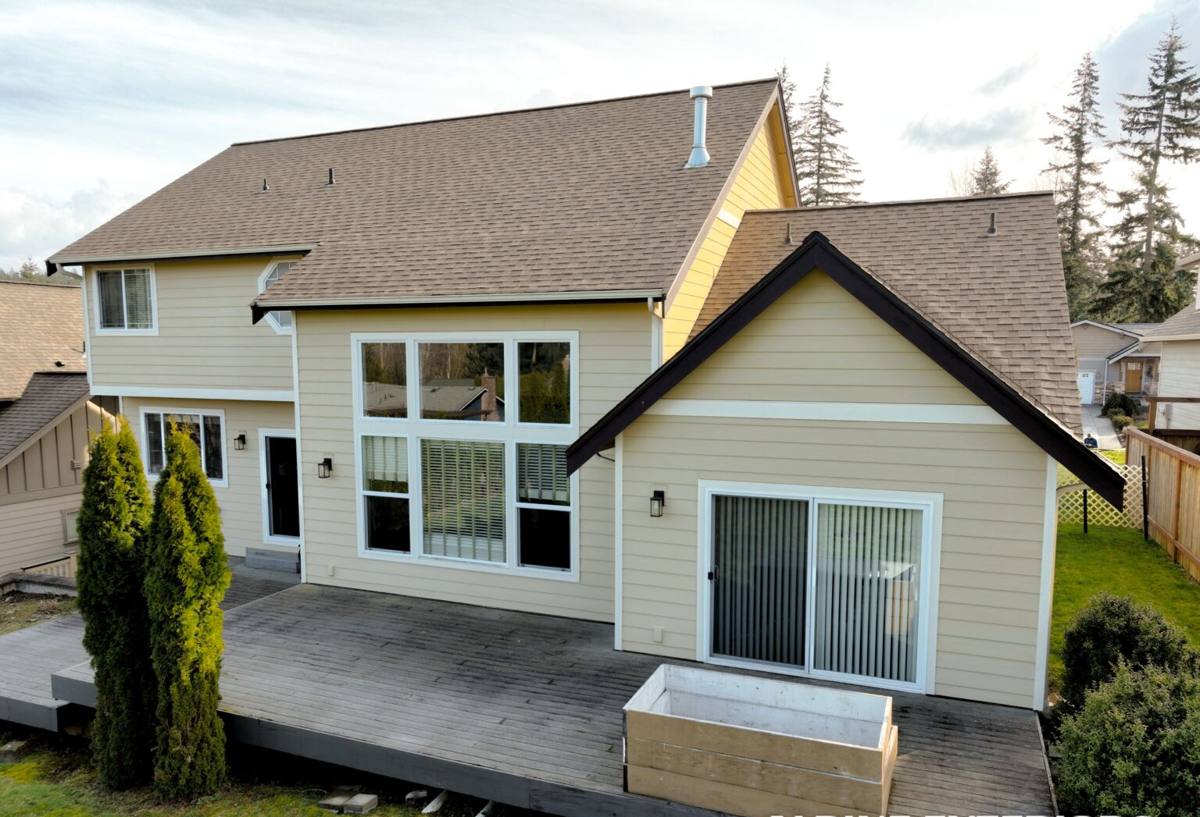
What Downtown Sarasota's Climate Does to a Shingle Roof
Wind
Sarasota County sits in a high-wind zone under Florida's building code, and Downtown Sarasota's mix of older and newer homes both get exposed to the same tropical storm and hurricane risk every season. Shingles are rated for wind uplift, but the rating only means something if the nailing pattern, sealant strip activation, and starter course are done to spec. A roof that looks fine from the ground can still be under-fastened in ways that only show up when a storm actually tests it.
UV and Heat
Florida sun breaks down asphalt shingle oils over time, causing brittleness and granule loss years before a shingle would otherwise wear out further north. Attic ventilation plays a bigger role here than most homeowners realize — a poorly ventilated attic traps heat under the deck and accelerates that breakdown from underneath, not just from the sun on top.
Wind-Driven Rain and Salt Air
Storms here don't just drop rain straight down — wind pushes it sideways and up under shingle edges, ridge caps, and anywhere flashing isn't sealed properly. Being close to the water also means salt-laden air accelerates corrosion on exposed metal: nails, flashing, and vent stacks corrode faster here than inland, which is why fastener and flashing material choice matters as much as the shingle itself.
What Downtown Sarasota Homes Specifically Need
Downtown Sarasota has a mix of older homes and newer infill construction, many close together on smaller lots with mature tree canopy nearby. That combination brings a few practical considerations:
- Older roof decks may need sheathing repair or re-nailing to current code before new shingles go down — you can't fix wind performance with a good shingle over a weak deck.
- Tree cover near downtown means more debris load and shaded, slower-drying areas of the roof, which raises the importance of proper underlayment and ventilation.
- Homes close to neighbors and the street mean tear-off and disposal logistics (staging, driveway access, debris containment) need to be handled cleanly, without it turning into a week-long inconvenience.
- Many Downtown Sarasota properties fall under city or county permitting and, in some cases, additional review for exterior changes — worth confirming before work starts, not after.
What a Correct Asphalt Shingle Installation Involves
A shingle roof is a system, not just a layer of shingles. Skipping or shortcutting any one part of the system is where most premature failures start.
Deck and Underlayment
We check the deck for soft spots, delamination, and fastener pull-through before anything new goes on. In this climate, we use a self-adhering or synthetic underlayment rated for wind-driven rain, with extra attention — typically self-adhering membrane — at eaves, valleys, and around penetrations where wind-driven water pushes hardest.
Fastening and Starter Course
Nailing pattern and nail placement matter more here than in low-wind regions. We follow manufacturer specs for high-wind zones, which usually means more nails per shingle and specific placement relative to the sealant strip. A proper starter course along eaves and rakes is what actually resists wind uplift at the edges, which is where failures usually begin.
Flashing
Step flashing at walls, counterflashing at chimneys, and properly sealed pipe boots and vent flashing are where most leaks originate on an otherwise sound roof. Given the salt air here, we favor corrosion-resistant flashing materials and fasteners over the cheapest available option.
Ventilation
Balanced intake and exhaust ventilation keeps attic temperatures down, which protects shingles from the underside and helps control moisture. We evaluate existing ventilation as part of every re-roof rather than assuming what's there is adequate.
Hip, Ridge, and Final Details
Ridge cap shingles rated for the same wind exposure as the field shingles, correctly overlapped and fastened, finish the system. This is a common place for shortcuts on lower-quality installs, since it's harder to inspect from the ground.
Choosing the Right Shingle for This Climate
Not all asphalt shingles perform the same in coastal, high-wind, high-UV conditions. Here's how the common options generally compare for a Downtown Sarasota home:
| Shingle Type | Typical Wind Rating | Best For | Trade-offs |
|---|---|---|---|
| 3-tab shingles | Lower (varies by product) | Budget-conscious re-roofs | Lighter weight, generally shorter service life in high-UV/high-wind coastal exposure |
| Architectural (laminate) shingles | Higher, varies by line | Most Sarasota-area homes | Heavier, better wind and impact performance, higher upfront cost |
| High-wind-rated architectural lines | Highest available in asphalt | Coastal/high-exposure properties | Best performance for this climate; premium cost over standard architectural |
For most Downtown Sarasota homes, we recommend architectural shingles with a wind rating that matches or exceeds what Sarasota County's code requires for the property's exposure category — not just the code minimum for an inland location.
Algae Resistance
Florida's humidity encourages algae streaking on roofs faster than in drier climates. Shingles with algae-resistant granules (copper-infused) hold their appearance longer, which matters on a visible, street-facing downtown roof.
Our Process for a Downtown Sarasota Re-Roof
- Inspection and estimate: We assess the existing roof, deck condition, ventilation, and any storm or age-related damage, and walk you through honest options — repair versus full replacement.
- Material selection: We help match shingle type and wind rating to your home's exposure, budget, and how long you want the roof to last.
- Permitting: We handle the permit process with the appropriate local authority before work begins.
- Tear-off and deck prep: Full removal of old roofing, deck inspection, and repair of any compromised sheathing.
- Underlayment, flashing, and shingle installation: Installed to manufacturer and code specifications for this wind zone.
- Cleanup and magnetic sweep: Full site cleanup, including nail sweep of the yard and driveway.
- Final walkthrough: We review the finished roof with you before considering the job done.
Cost Factors for a Downtown Sarasota Shingle Roof
Every roof is different, but the main variables that move the price are consistent:
| Factor | Why It Matters |
|---|---|
| Roof size and pitch | More area and steeper slopes mean more material and labor time |
| Deck condition | Rotted or delaminated sheathing needs replacement before shingles go down |
| Shingle tier | 3-tab, standard architectural, and high-wind architectural lines carry different material costs |
| Number of layers to remove | Tear-off of multiple existing layers adds labor and disposal cost |
| Flashing and ventilation work | Corrosion-resistant flashing and added ventilation are worth the modest added cost here |
| Access and site logistics | Tight downtown lots, tree cover, or limited driveway access can affect staging and disposal |
We provide a written, itemized estimate so you can see exactly what you're paying for — material tier, labor, disposal, and any deck repair — rather than a single lump number.
Maintenance That Extends the Life of Your Roof
Between installation and any needed repair, a few habits go a long way in this climate:
- Have the roof visually inspected after any major storm, even if you don't see obvious damage.
- Keep gutters and valleys clear of leaves and debris so water doesn't pool or back up under shingles.
- Trim back tree limbs that overhang the roof to reduce abrasion and debris buildup.
- Watch for granule accumulation in gutters or downspouts, a sign of accelerating shingle wear.
- Address small leaks or lifted shingles promptly — wind-driven rain finds small openings fast.
Why Local Experience in Downtown Sarasota Matters
A roofing crew that regularly works in Downtown Sarasota already understands the area's wind exposure requirements, the permitting process with the relevant local authority, and the practical realities of working on tighter downtown lots with mature tree canopy nearby. That familiarity shows up in fewer surprises — no guessing on code requirements, no delays from permit issues that a crew unfamiliar with the area might not anticipate, and material choices already suited to salt air and coastal wind rather than a generic inland spec.
It also matters after a storm. A crew that already knows the neighborhood can respond faster and knows what to look for on roofs of similar age and construction to yours.
Get a Straightforward Estimate
If you're weighing a repair against a full replacement, or just want an honest read on where your roof stands, we're glad to take a look. Use the form below to request a free, no-pressure estimate for your Downtown Sarasota home.